
Categories
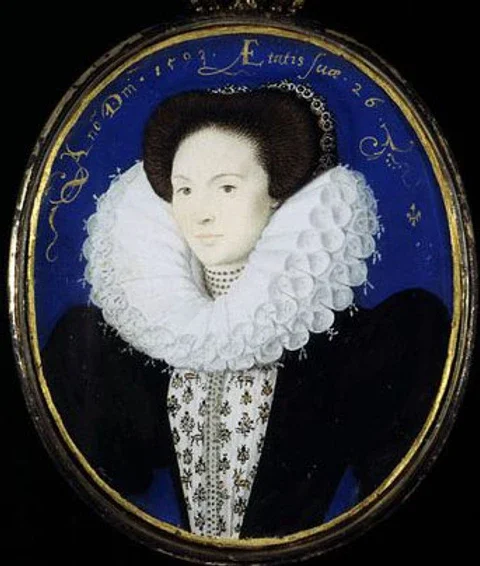
Statement Pieces: Ruffs and Collars
Ruffs and collars were a dramatic accessory in England during the Early Modern period. Collars actually serve a practical function- the were meant to protect clothing that was made of fabrics that were cumbersome to wash.
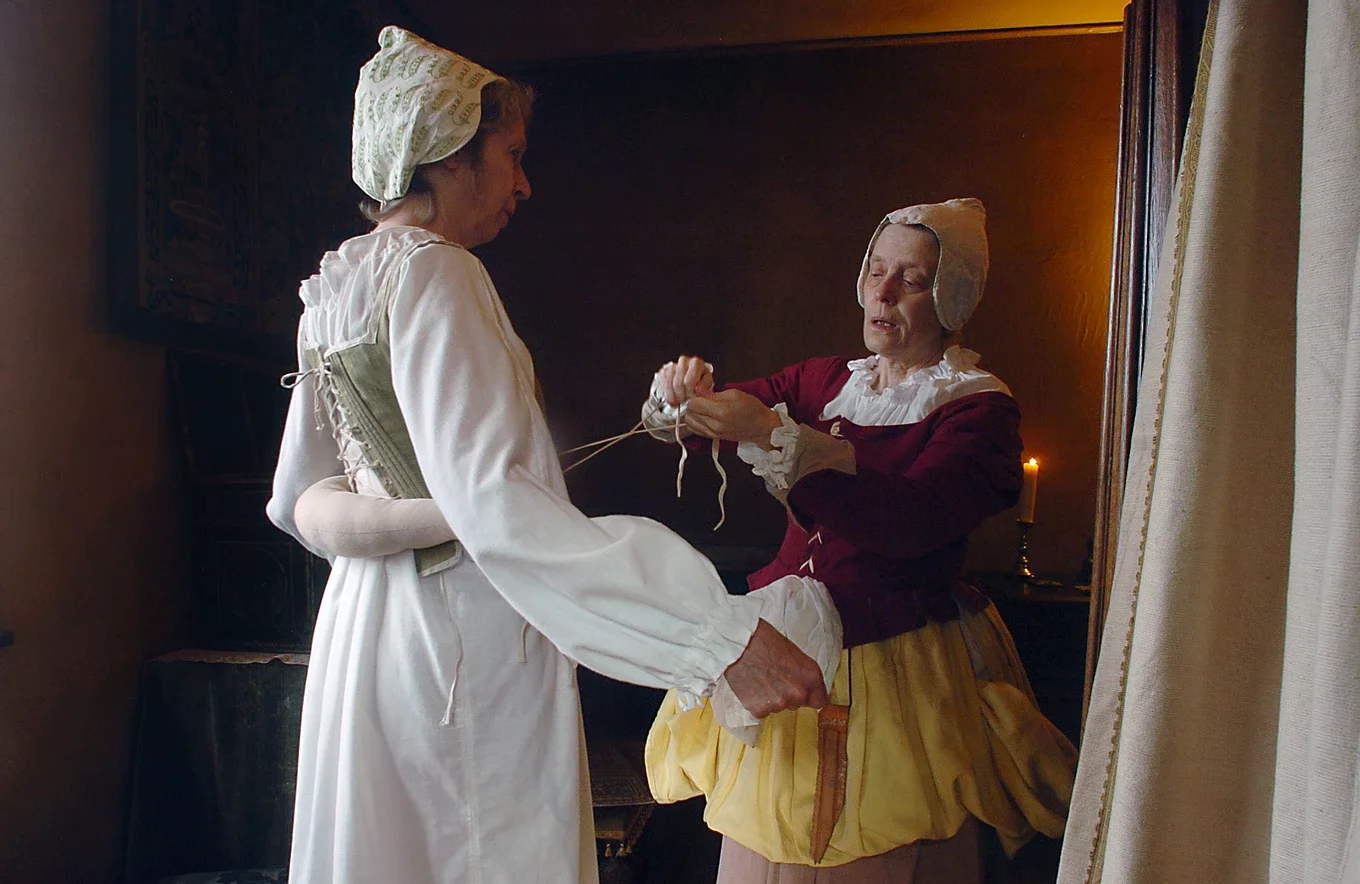
Fashion Foundations: A Quick Look at Foundation Garments
Let’s take a look at a few items that helped create women's fashion in the 16th and 17th centuries!
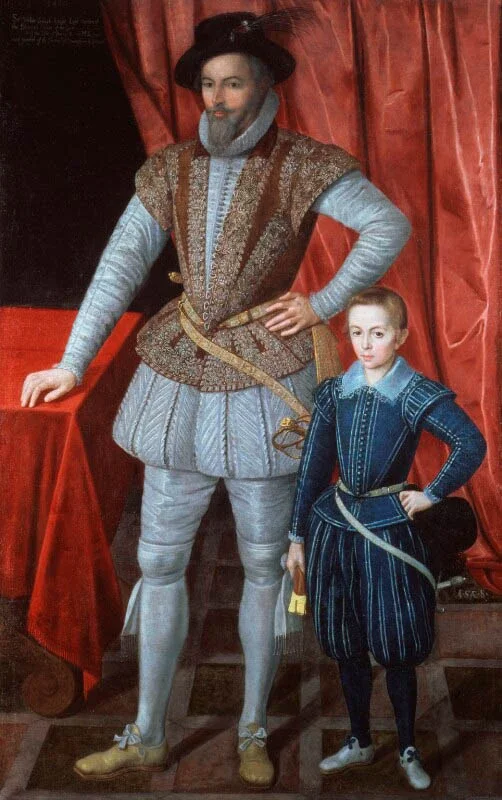
17th Century Trends for Men
Menswear in the early 17th century also continued with the trends from the late 16th century. Queen Elizabeth had distinct preferences for her fashion and for the fashion of the men in her court.
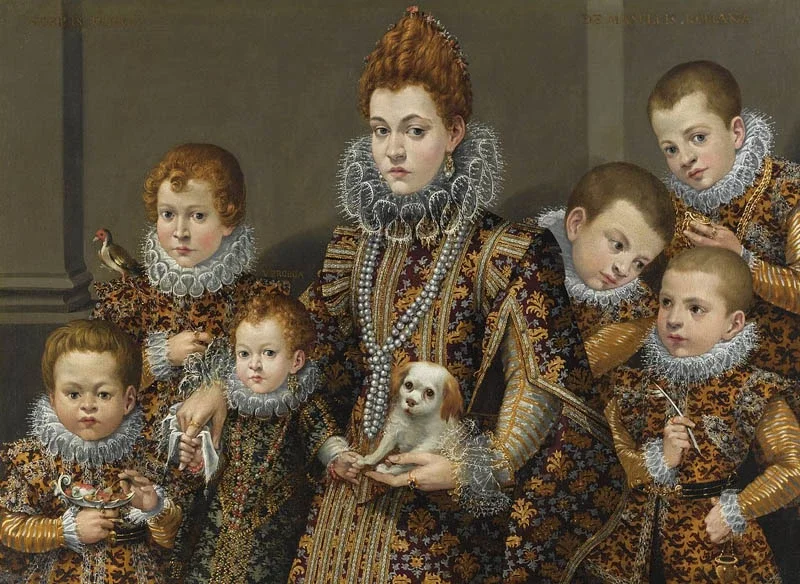
17th Century Trends for Children
Looking at children’s clothing is the most difficult, since we have less representations of them in portraits. Children's clothing followed the same pattern it had for the few centuries before.
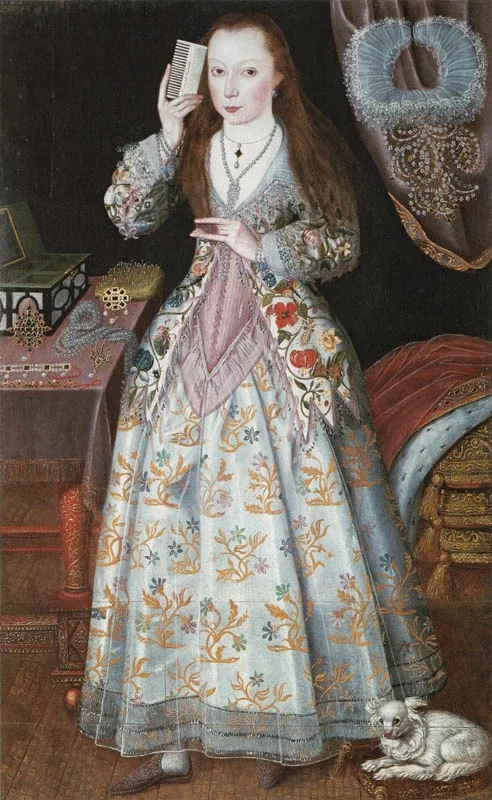
17th Century Trends for Women
In the beginning of the 17th century, Queen Elizabeth I was still a fashion icon for women in England. The voluminous skirts and embroidered jackets that the Queen favored remained in style in England nearly two decades after her death.
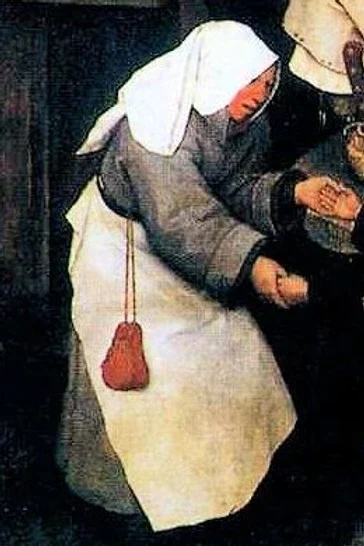
Tudor Purses and Pouches: A Necessary Accessory
Today women carry purses or backpacks to hold money and ID cards, makeup, brushes and other personal accessories. Men carry wallets with money and ID in their pockets, and some carry a “purse” designed for men.
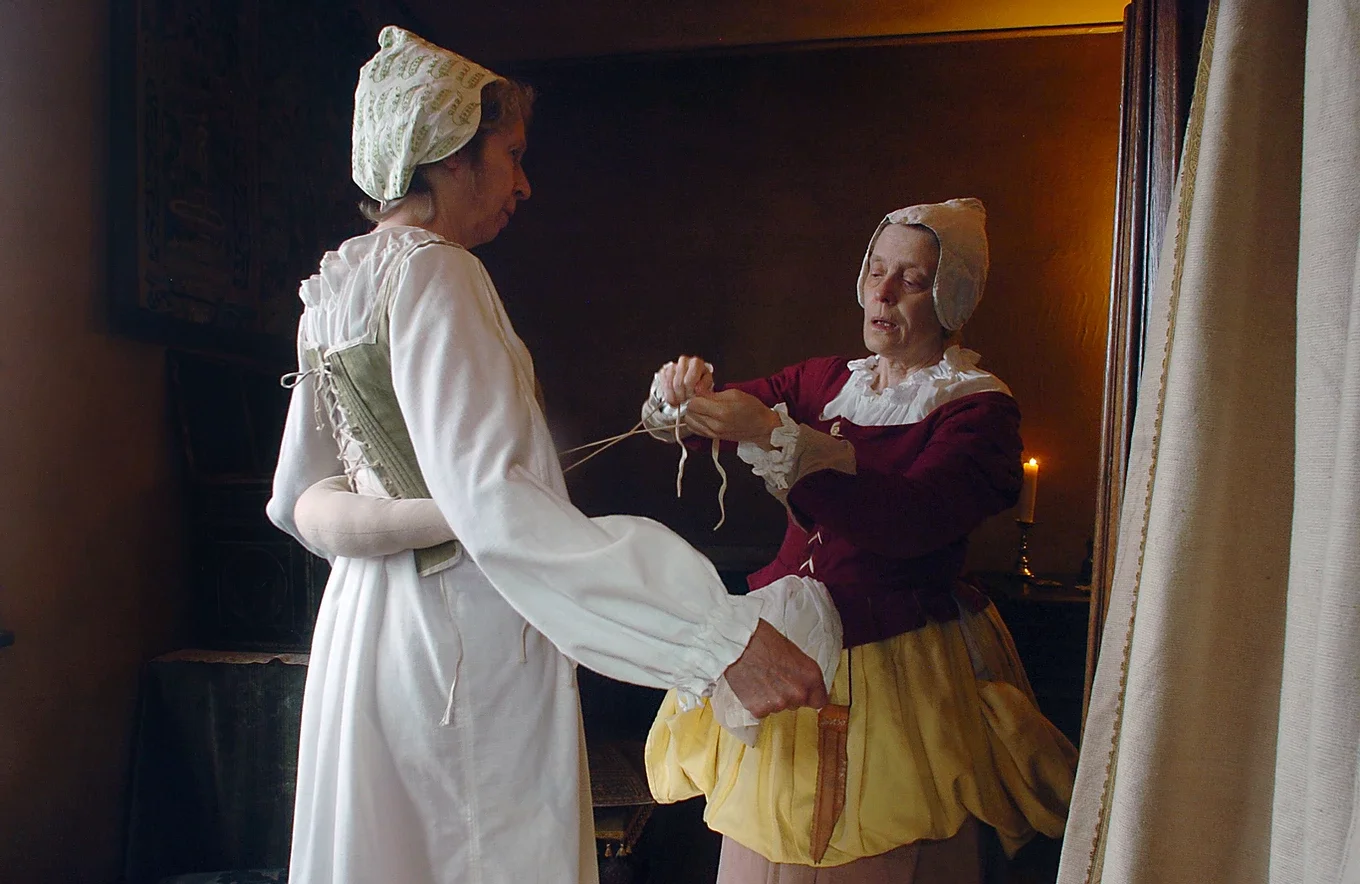
Lady of the Manor: Dressing Mistress Dauntesey
Mistress Dauntesey is depicted here by a member of our Living History staff and attended by her lady’s maid who is helping her to get dressed. You can quickly see the differences in the clothing that each is wearing.
Others in Early Modern English Society
What was the cultural makeup of Tudor and Stuart England?
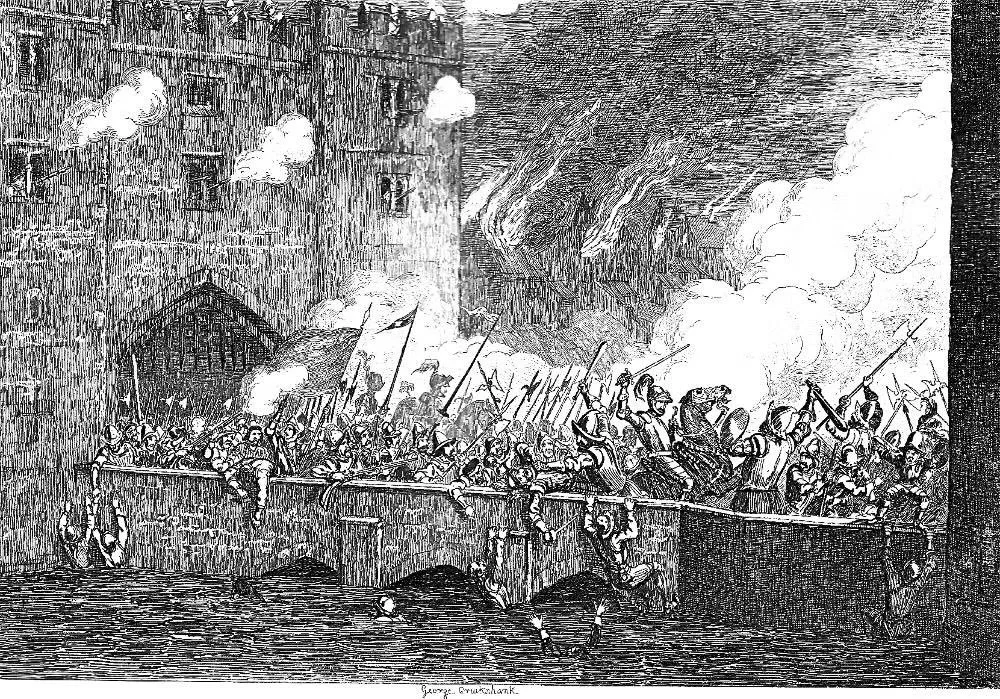
Why Rebellion? Wyatt's Rebellion
Insurrections and rebellions against the ruling government are common throughout history. While we in the United States are used to stable and smooth transitions of power in our government, the events of January 6, 2021 are not uncommon when one looks back in history.
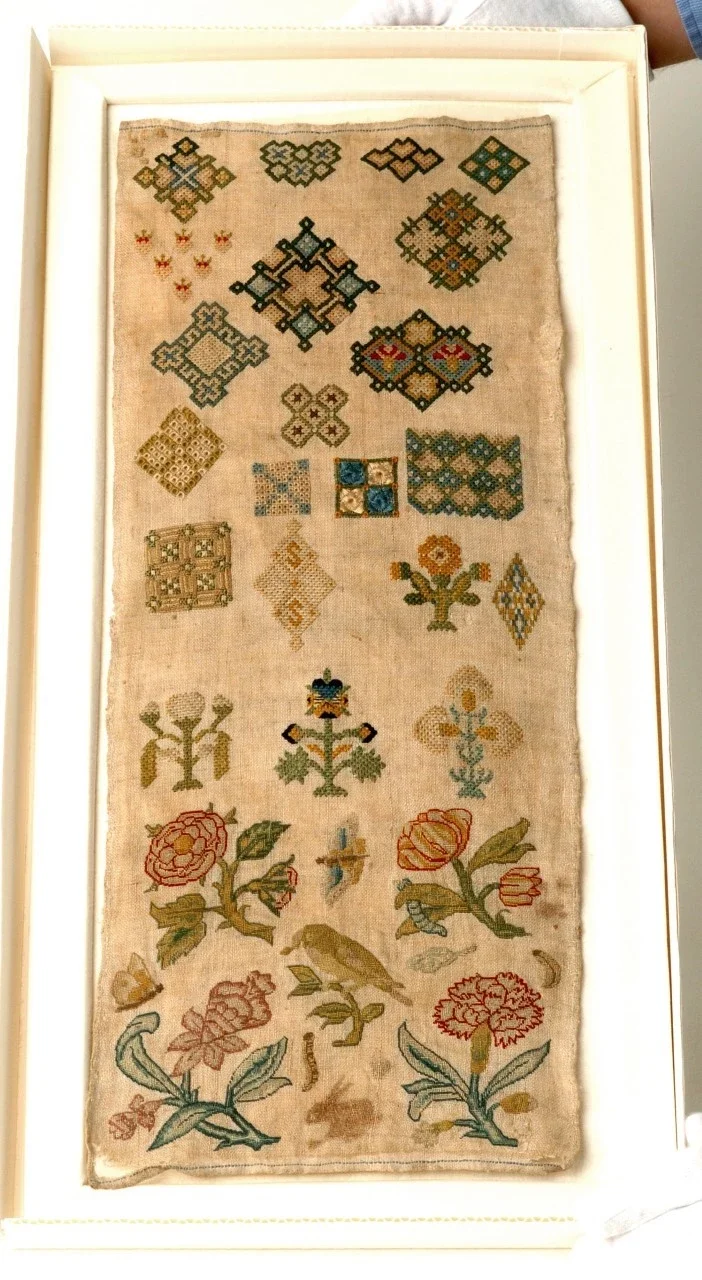
Midday: A Stitch In Time
Hand-stitching and embroidery are as old as man. Fossilized evidence remains from 30,000 years ago of hand-stitched and decorated clothing.
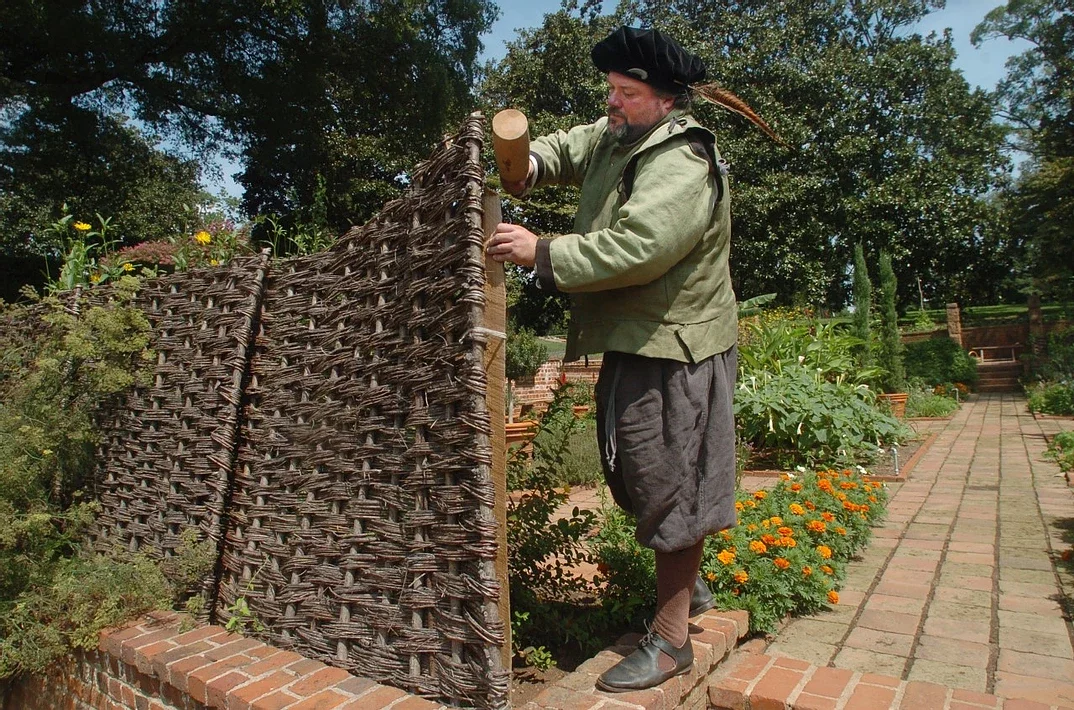
Midday: Kids Activity
90% of people in Tudor England lived and worked in villages or on farms. In the English countryside, the open field system was employed.
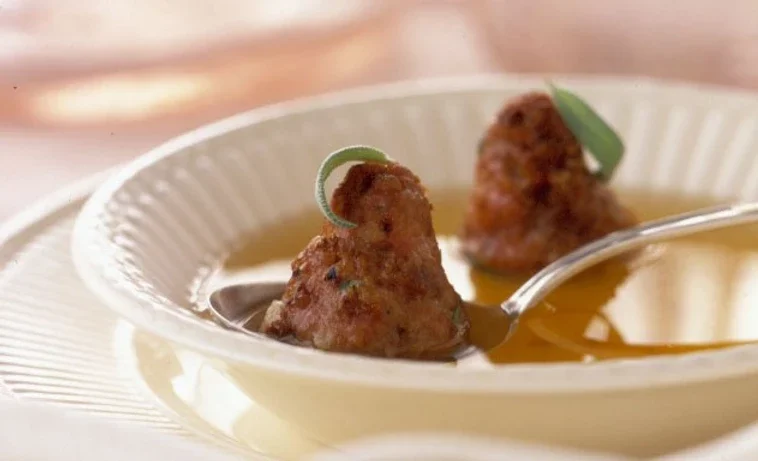
Midday: A Recipe from Shakespeare's England
Renaissance chefs enjoyed delighting guests with amusing culinary tricks.
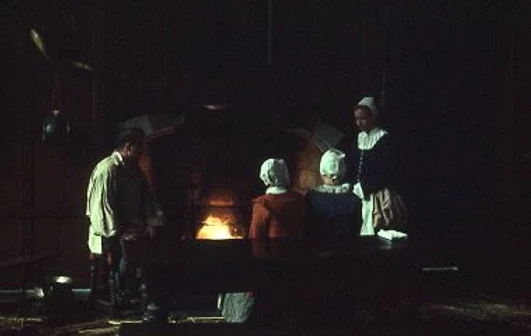
Evening: Going to Bed
When all of the chores were finished, the people at Agecroft could prepare to turn in for the night. The Dauntesey family would retire to their bedchambers.

Evening: Kitchen Chores
Servants who worked in the kitchen would put in very long days. This was especially true of the scullery maids (girls) and scullions (boys), whose job was to clean the kitchen.
Evening: Finishing Up in the Fields
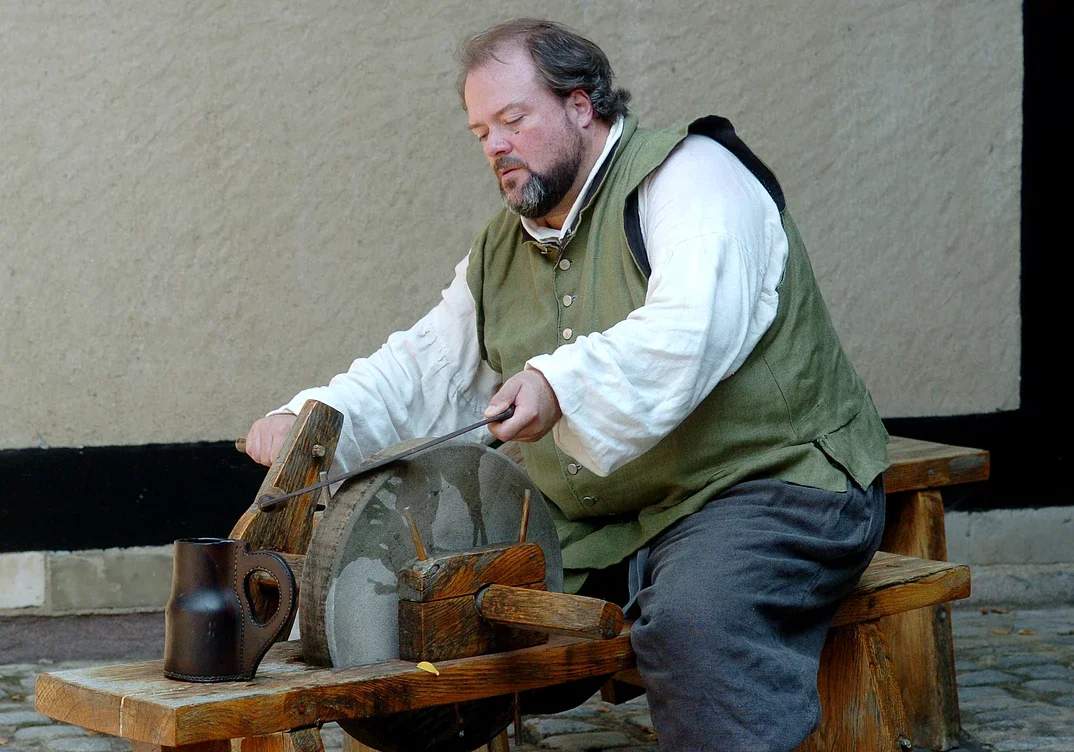
The majority of the servants who worked at Agecroft Hall would have been out in the fields. They would have tended to the animals and raised the crops.
Evening: Supper Before Bed
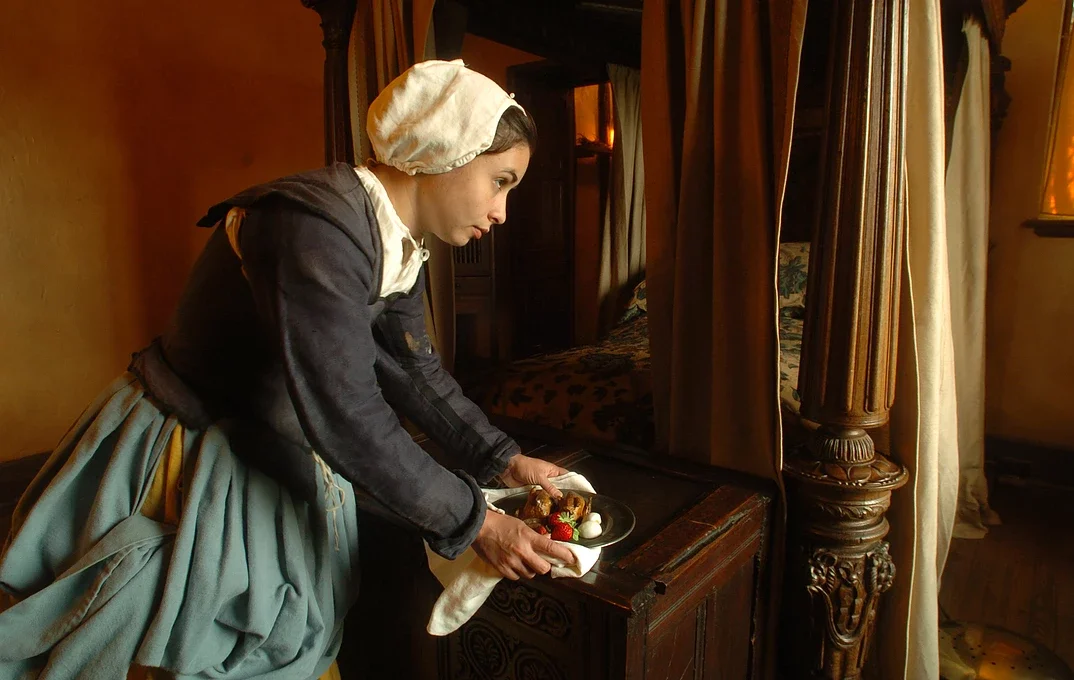
After having the large midday meal, the Dauntesey family would often want something light before heading to bed. This meal would often be referred to as super.
Evening: Closing the Manor for the Night
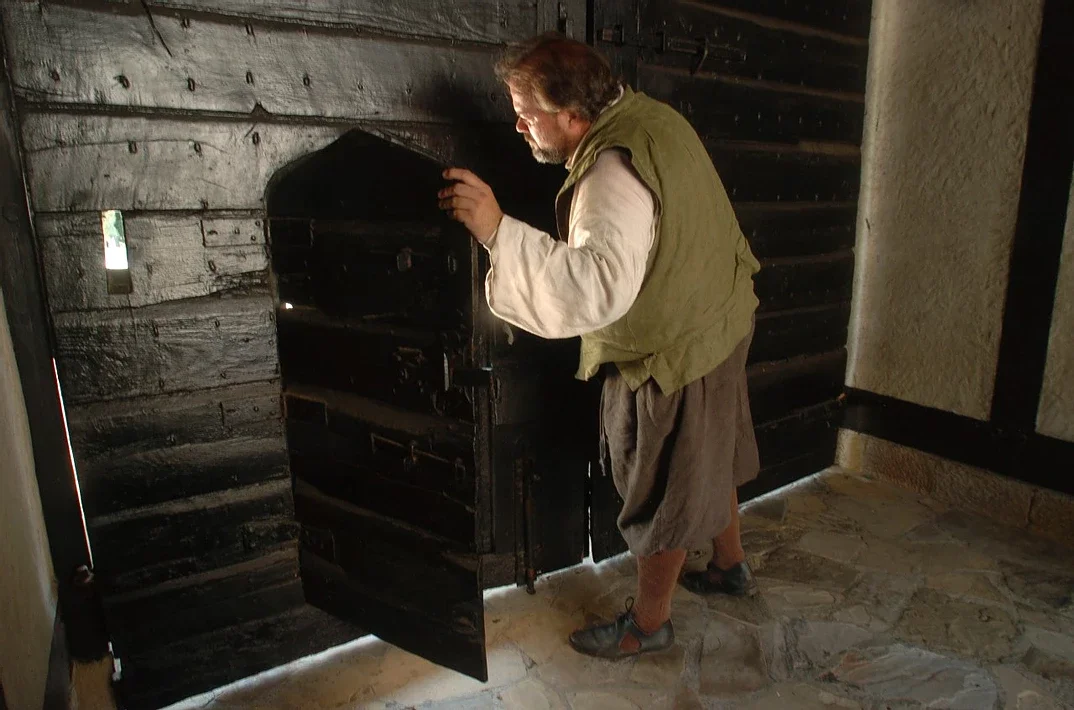
During the hours of daylight, Agecroft Hall would be accessible to family, servants and visitors – personal and business.
Morning: Breaking the Fast
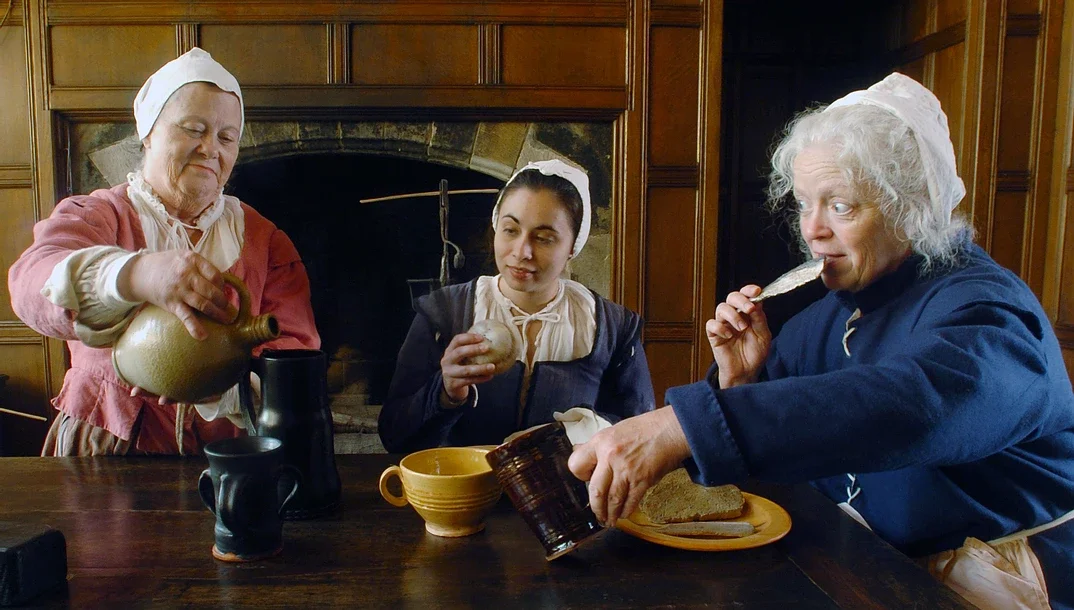
From the mid 16th century on, breakfast was promoted as an important way to start the day. Breakfast was often a simple affair for the servants.
Morning: A Brief History of the Manor at Agecroft
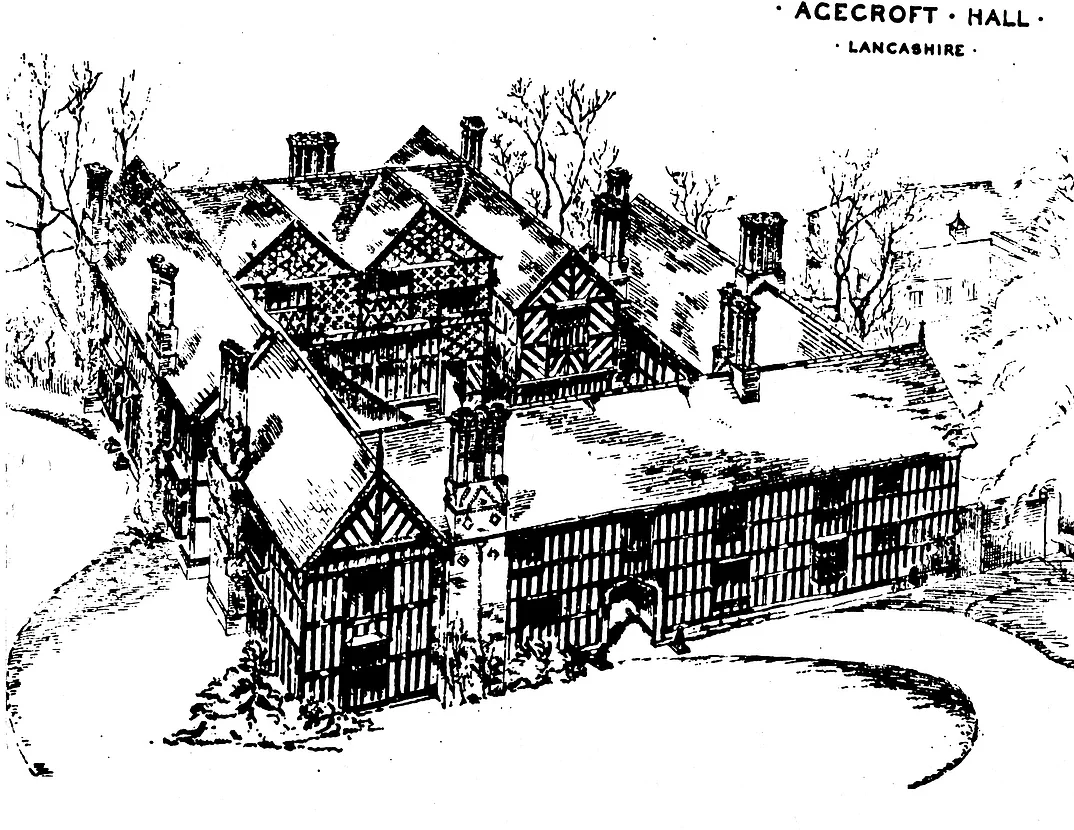
The name “Agecroft” can be found in records dating to the 1370s. It was originally owned by the Langley family, who had lived in Lancashire for several generations.
Morning: Running a Household
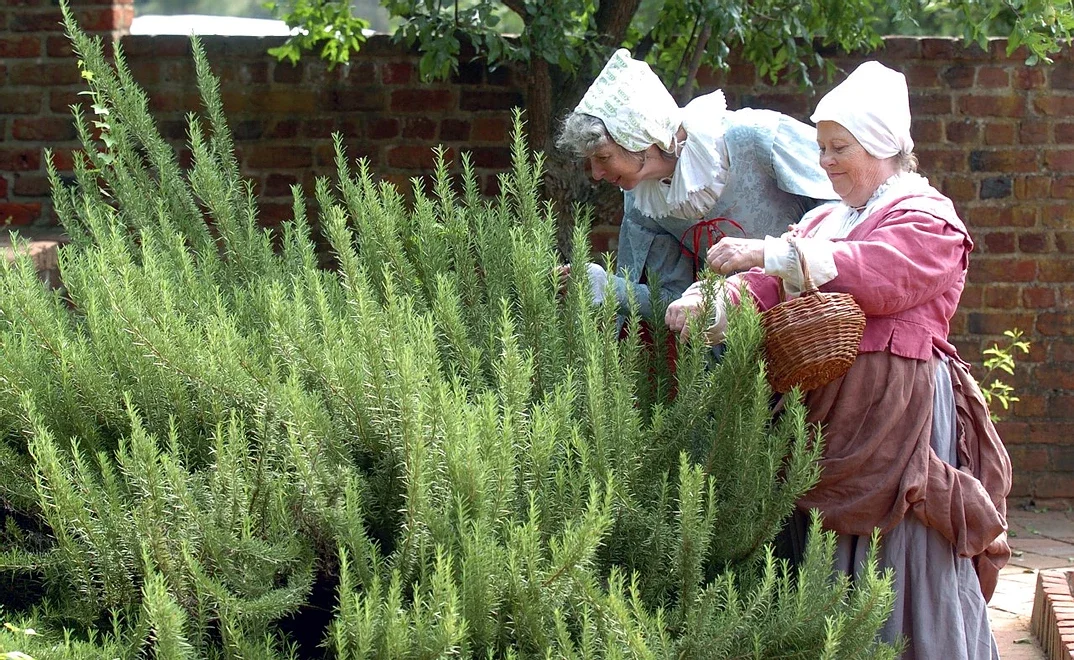
The family bound Elizabethan society together. Marriage alliances were formed to provide continuity of family name and land-holding.